Application matrix

Where Tripp Lite UPS choices meet real critical loads

The same input voltage and topology does not make two applications equivalent. Switching duty, available panel space, service access and environmental conditions change the useful selection criteria. Start with the operating context, then narrow the UPS and battery configuration.

Filter by parameters
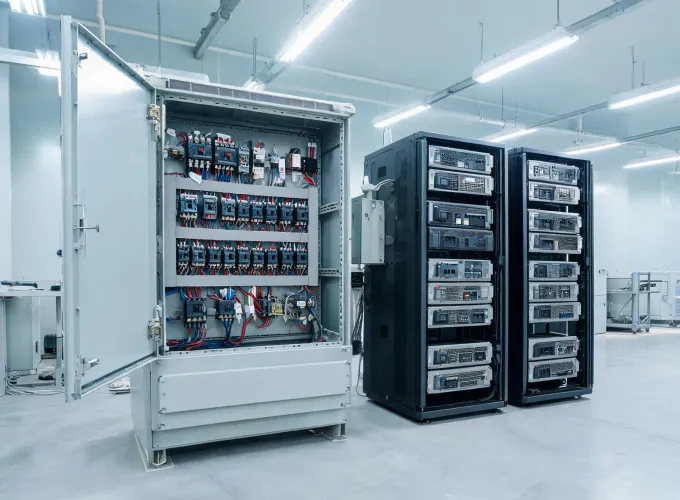
Industrial control cabinet serving an automated production line

Application groups and the questions they raise

OEM machinery

Machine builders often prioritize repeatable wiring, socket retention, compact footprints and a clear replacement path. Switching frequency and nonlinear loads should be stated before contact life expectations are discussed.

Review: nominal input voltage · output watt capacity · duty · panel depth
Panel building

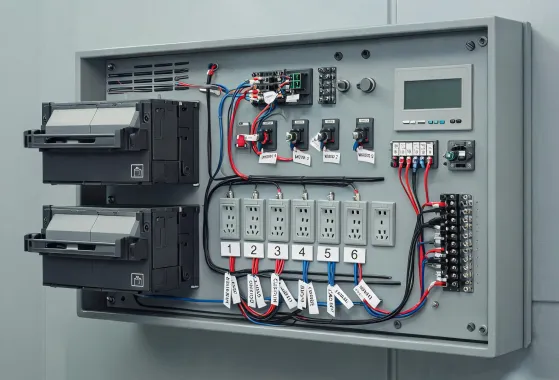
Control panel layouts make outlet access, rack clearance, finger clearance and wire identification practical selection factors. A UPS and socket must be evaluated together to avoid late mechanical changes.

Review: battery family · input-output interface · accessories · wiring diagram

Commercial building controls

Lighting, HVAC and auxiliary critical loads can involve different pilot duties and maintenance routines. Contractors should record actual load behavior rather than selecting from nominal voltage alone.

Review: load type · control voltage · serviceability · approvals

Water and process equipment

Pumps, valves and alarms may introduce nonlinear loads, vibration, moisture or elevated enclosure temperatures. The UPS selection belongs inside the full panel and protection assessment.

Review: ambient · enclosure · duty cycle · isolation

Test and assembly fixtures

Frequent cycling and rapid changeovers reward clear sockets, replaceable components and disciplined outlet documentation. Fixture designers should distinguish electrical life assumptions from mechanical endurance figures.

Review: cycle rate · contact load · replacement access · records

Utility auxiliary circuits

Monitoring and power conditioning functions can carry stringent documentation and continuity expectations. The exact product configuration and market requirements need verification before release.

Review: isolation · documentation · coil tolerance · traceability

Application decisions in context

UPS battery module wiring inside a compact machine panel

Machine panel

Mechanical fit became the deciding constraint

A request that began with a 24 VDC coil comparison was refined by documenting available rail depth, adjacent wire duct clearance and the preferred retaining method. The result was a reviewable UPS-plus-socket line rather than an isolated UPS code.

Maintenance stock

Cross-reference work exposed a input-output interface risk

A visually similar alternative was not treated as interchangeable. Comparing the wiring diagram and connector labeling identified a control-panel change that purchasing alone could not authorize, so the substitution stayed pending until engineering review.

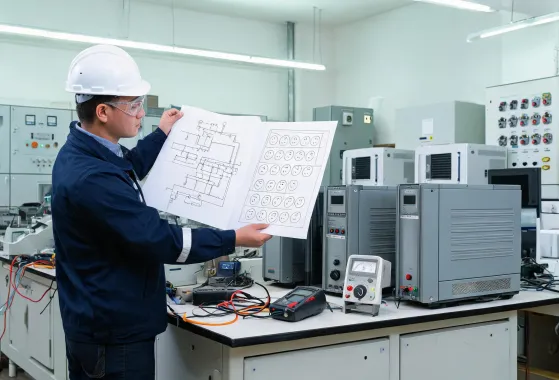
Engineer comparing UPS wiring diagrams at a test bench

Map the application

Talk to an Engineer

Source the selected line

Request a Quote